What To Do When Water-Leaks Damage Your Hardwood Floors?
Two things that never go well together are hardwood flooring and standing water. Anyone who lives in a flood-and-hurricane-prone area would know this. However, it is something that everyone needs to understand.
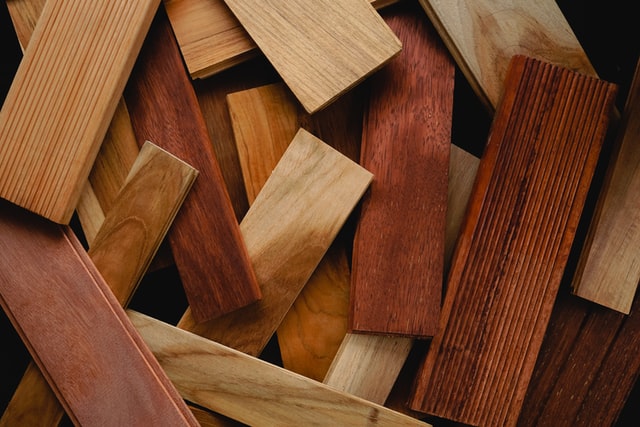
Water Damage Devastates Hardwood
If a huge amount of water makes contact with your wooden flooring, your flooring would not be the same and can even get damaged. But, there is no need to worry as there are certain steps that you can take to safeguard your beloved hardwood flooring.
Although the local salvage compound would be interested in your destroyed wooden flooring, there is no reason for you to lose hope just yet. Moisture is the worst enemy of wooden floors but you can fight and overcome its effects.
If the wood was exposed to moisture for a longer period of time, it would surely damage beyond repair, so timely action is a must! To help you counter the damage, David’s Hardfloor Flooring prepared the ultimate guide. It aims to provide you with all the information you need.

For help from professionals, consider our services:
- Floor Installation
- Hardwood Floor Repair
- Hardwood Floor Refinishing
- Carpeting Installation
- Plumbers
- Water Damage
Common Causes of Water Damage
Generally, the main cause of damaged hardwood flooring is exposed to water. It raises up the floor, which is known as buckling. Since it does not happen suddenly and takes time to build up, you need to take immediate action.
You need to be aware of the following to prevent further damage.
- Simple water spills lead to moisture building up, especially if you don’t wipe it right away.
- The natural rise and fall of humidity can also cause moisture to build up. You might not even realize it, but a gradual build-up of moisture could end up damaging your precious hardwood floors beyond repair.
- Flooding triggers the expansion and contraction of floorboards. If you leave it unaddressed, it would gradually lift the floorboards, which would lead to costly repairs.
- Lastly, if the subfloor is inferior or there is improper nailing and insufficient glue, it would cause your hardwood flooring to warp. However, inferior subfloors would cause problems early on. Hence, you must get hardwood floors installed by an expert.
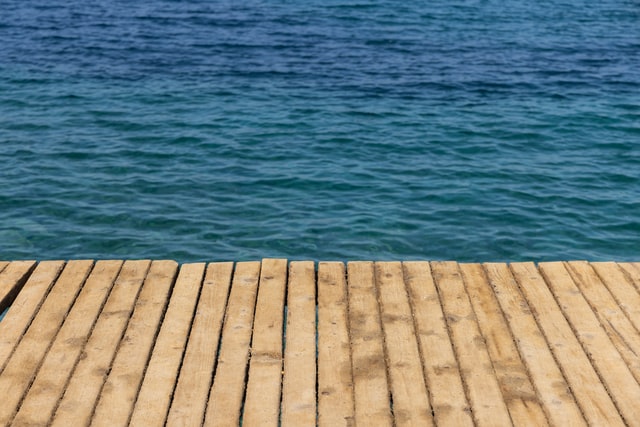
What Are The Signs Of A Buckled Hardwood Floor?
If you notice any of the following signs, it means that your hardwood floor has buckled.
- Puffed-up areas appear on the flooring. These are likely to appear because of moisture build-up.
- Pulling up or lifting the subfloor is a sure sign of buckling damage.
- Cracks and gaps between the hardwood planks.
- Boards turning up towards the edges or the wooden floor cupping.
What You Will Need To Repair Hardwood Floors Damaged by Moisture or Water?
With repairing hardwood flooring, you need the following equipment and materials.
- Shop Vacuum;
- Stiff Brush;
- Squeegee;
- Absorbent Cloth;
- Rubber Gloves;
- Bucket;
- Disinfectant;
- Mild Detergent or Trisodium Phosphate (TSP).
Steps to Repair or Replace Water Damaged Hardwood Flooring
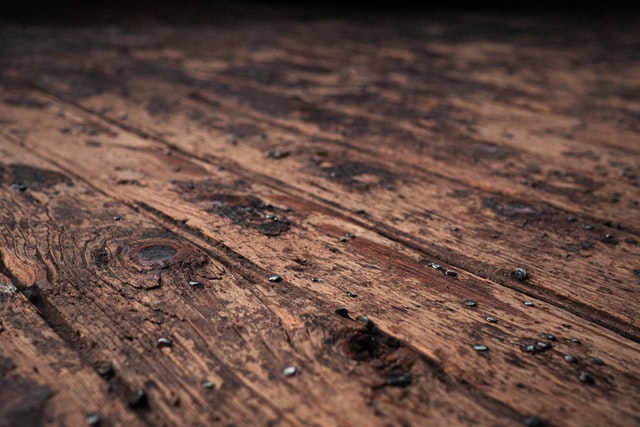
Now that you know which tools and materials are required for repairing water-damaged hardwood flooring, you can proceed with the steps involved in attending to your wet floors. Fixing the flooring is crucial to insulation and energy efficiency, say gas safety experts GasSafetyCerts.com, and failing to attend to the issue will only worsen your situation over time.
The truth is that the cellulose fibers of the wood soak up water rapidly but take more time to release it. You need to get to work immediately to avoid extensive damage. No matter how well-finished your hardwood floors might be, water is likely to penetrate the raw wood.
The thing about wooden floors is that they have many infiltration points, such as the heating registers, under the baseboards, breaks in the coating, and between seams in addition to the top layer.
The secret to protecting your wooden floors is the same as that of mold and mildew growth prevention, which is the fact that a combination of dirt and water causes mold and mildew.
By following the steps mentioned below, you get to safeguard your hardwood floors.
- Step #1. Soak-in & Remove Any Surface Water
- Step #2. Thoroughly Scrub Hardwood Floors
- Step #3. Treat Mold-infested Areas
- Step #4. Dry Hardwood Floors
- Step #5. Sand Hardwood Flooring
- Step #6. Deal with Mold on Wood
- Step #7. Replace Laminate with Wood
Step #1. Soak-in & Remove Any Surface Water
The first thing that you need to do is remove the surface water. All you need to do is switch the shop vacuum to wet mode to remove as much water as needed from the flooring. It will effectively remove water from the surface. You can even use a wide flooring attachment for completing the step quickly.
In addition, it is also a good idea to use a squeegee to gather the water while sucking it up.
Step #2. Thoroughly Scrub Hardwood Floors
The next thing that you need to do is scrub the floor thoroughly to remove dirt. It is important that you mix a disinfectant and a mild detergent to clean the floor.
You need to mix the two in a bucket of water and use the solution to scrub the entire floor along with the woodwork such as newel posts, stairs, and baseboards.
- Use a stiff brush to target the stubborn areas.
- Rinse it frequently to ensure that it does its job.
- Avoid pouring water onto the floor as it would only make the problem worse.
- Scrub thoroughly to remove organic material, silt, mud, and dirt.
Step #3. Treat Mold-infested Areas

If you notice any areas that show signs of mold, you need to:
- Immediately clean them using TSP (trisodium phosphate).
- Use the solution to scrub the affected areas until you notice the mold discoloration has disappeared entirely.
- Rinse the area using clean water.
- Use an absorbent cloth to dry the area once you are done.
Step #4. Dry Hardwood Floors
After you have gone over the above steps, you must dry the floor slowly using fans and allow airflow to get the job done.
It is a good idea to open the doors, windows, and thoroughly ventilate. Unless, of course, outdoor air seems to be more humid than the air inside. You can also take measures a step further and run fans or dehumidifiers to ensure that air moves through the space and aid moisture leaving your home.
Step #5. Sand Hardwood Flooring
After you have dried the wooden floor, you might have some convex or concave floorboards. You should be able to take down minor high areas with heavy sanding. But, you cannot expect heavily cupped wood to be sanded down flat. Some floorboards are likely to be lifted entirely towards the ends. According to experts WFI, engineered wood flooring works well here as it has a top “wear layer” that allows for sanding to occur multiple times.
Step #6. Deal with Mold on Wood
As there might be mold on your wooden floor planks, you will need to treat it right as it can be trickier to put an end to mold growth under a painted floor. In such a case, your best option would be to remove the finish, as the paint would only serve as a seal and trap water below the wood.
After you have scraped off the paint, you must use an abrasive cleaner to scrub the wood. Then, you just have to leave the floor to dry by following the step mentioned above again.
Step #7. Replace Laminate with Wood
Lastly, you need to replace the laminate flooring. It has the same appearance as engineered hardwood or solid hardwood. However, the material is not the same.
As it is made using highly vulnerable material, you must get it replaced by hiring a professional.
Wrap up
Now that you know what to do if your hardwood floors experience water-leaks damage, you can avoid the situation from escalating.
However, it is important that you seek an expert if the damage has progressed significantly. Otherwise, you might end up doing more harm than good.
Contact David’s Hardwood Flooring to help you today.